mmmarcus
Articles & programsMeditationsQuotationsConceptsAuthorsBooks (public domain)TimelineMapQuizzesKey learningsBooks (for reference)About
Changer le thème
FrançaisEnglish

hello@mmmarcus.com|@mmmarcus|2026

Back to authors
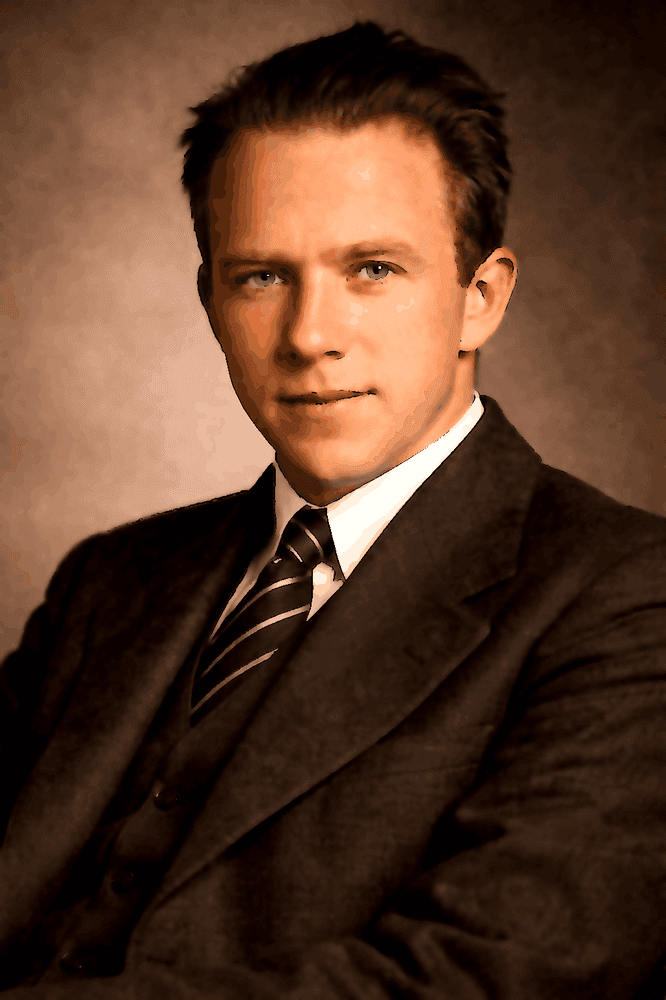
Werner Heisenberg

Werner Heisenberg

Physics
Werner Heisenberg (1901–1976) était un physicien théoricien allemand, l’un des fondateurs de la mécanique quantique. Il est surtout connu pour le principe d’incertitude, selon lequel certaines grandeurs physiques — comme la position et la quantité de mouvement — ne peuvent être déterminées simultanément avec une précision arbitraire. Lauréat du prix Nobel de physique en 1932, Heisenberg a profondément transformé notre compréhension de la nature en montrant que l’observation n’est jamais neutre et que les lois fondamentales décrivent des probabilités plutôt que des certitudes. Au-delà de la physique, il s’est interrogé sur les implications philosophiques de la science moderne, notamment sur les limites de la connaissance et le rôle du langage et des concepts dans la description du réel.

Thoughts (1)

←Previous
|
→Next
|
ESCBack
Heraclitus, fire and energy

Heraclitus, fire and energy

In... Heraclitus... Becoming occupies the foremost place. He regarded that which moves, the fire, as the basic element. The difficulty, to reconcile the... one fundamental principle with the infinite variety of phenomena, is solved... by recognizing... strife of... opposites is... a kind of harmony. ...[T]he world is ...one and many ..."the opposite tension" of ...opposites ...constitutes the unity of the One. He says: "...war is common to all and strife is justice ...all things come into being and pass away through strife." ...[T]hat infinite and eternal undifferentiated Being ...cannot ...explain the infinite variety of things. This leads to the antithesis of Being and Becoming and ...to the solution of Heraclitus ...change ...is the fundamental principle; the "imperishable change, that renovates the world," as the poets have called it. But ...change ...is not a material cause and therefore is represented ...by the fire ...both matter and a moving force. ...[P]hysics is ...extremely near to ...Heraclitus ...[i]f we replace ..."fire" by ..."energy" ...Energy is a substance, since its total ...does not change, and ...elementary particles can ...be made from this ...Energy may be called the fundamental cause for all change in the world. ...Energy is ...that which moves; it may be called the primary cause of all change, and ...can be transformed into matter or heat or light. The strife between opposites in the philosophy of Heraclitus can be found in the strife between two different forms of energy.

Werner Heisenberg

Physics and Philosophy (1958)