mmmarcus
Articles & programsMeditationsQuotationsConceptsAuthorsBooks (public domain)TimelineMapQuizzesKey learningsBooks (for reference)About
Changer le thème
FrançaisEnglish

hello@mmmarcus.com|@mmmarcus|2026

Back to authors
Stephen Toulmin

Stephen Toulmin

Philosophy
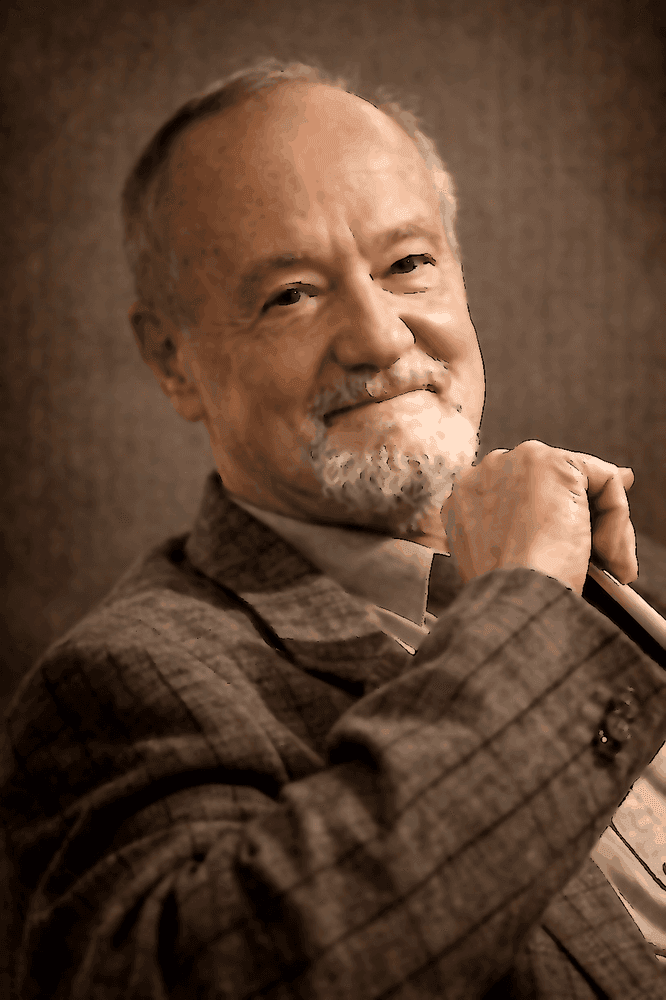
Stephen Toulmin (1922–2009) was a British philosopher best known for his work on reasoning, argumentation, and practical rationality. Trained in philosophy and the history of science, Stephen Toulmin challenged overly abstract and formal conceptions of reason inherited from classical rationalism. In his major work, The Uses of Argument, he analyzed reasoning as it actually functions in practice, showing that arguments are always context-dependent and rooted in specific fields and situations. He introduced a now-famous model—data, warrant, backing, claim—that highlights the practical and situated nature of rational justification. Toulmin’s philosophy seeks to restore an embodied, historical, and argumentative conception of reason, attentive to use rather than idealized systems. His influence extends across philosophy, law, rhetoric, cognitive science, and discourse analysis.

Thoughts (1)

←Previous
|
→Next
|
ESCBack
From Parmenides to Heraclitus

From Parmenides to Heraclitus

If neither sub-atomic particles nor organic species exemplify the "permanent entities" of Greek metaphysics, what else in the real world does so? ...Two hundred years of historical research have had their effect. Whether we turn to social or intellectual history, evolutionary zoology, historical geology or astronomy—whether we consider explanatory theories or star-clusters, societies or cultures, languages or disciplines, organic species or the Earth itself—the verdict is not Parmenidean but Heraclitean. As we now understand it, nothing in the empirical world possesses the permanent unchanging identity which all Greek natural philosophers (the Epicureans apart) presupposed in the ultimate elements of Nature. So, if we... are to entertain metaphysical thoughts about the nature of things-in-general consistent with the rest of our late-twentieth-century ideas, we must explore the consequences of the modern, post-Darwinian or "populational" approach, as applied not just to species, but to historical entities of all kinds. Confronted with the question, "How do permanent entities preserve their identity through all their apparent changes?", we must simply deny the validity of the question itself. In its place, we must substitute the question, "How do historical entities maintain their coherence and continuity, despite all the real changes they undergo?"

Stephen Toulmin

Human Understanding (1972), Vol. 1