Back to authors

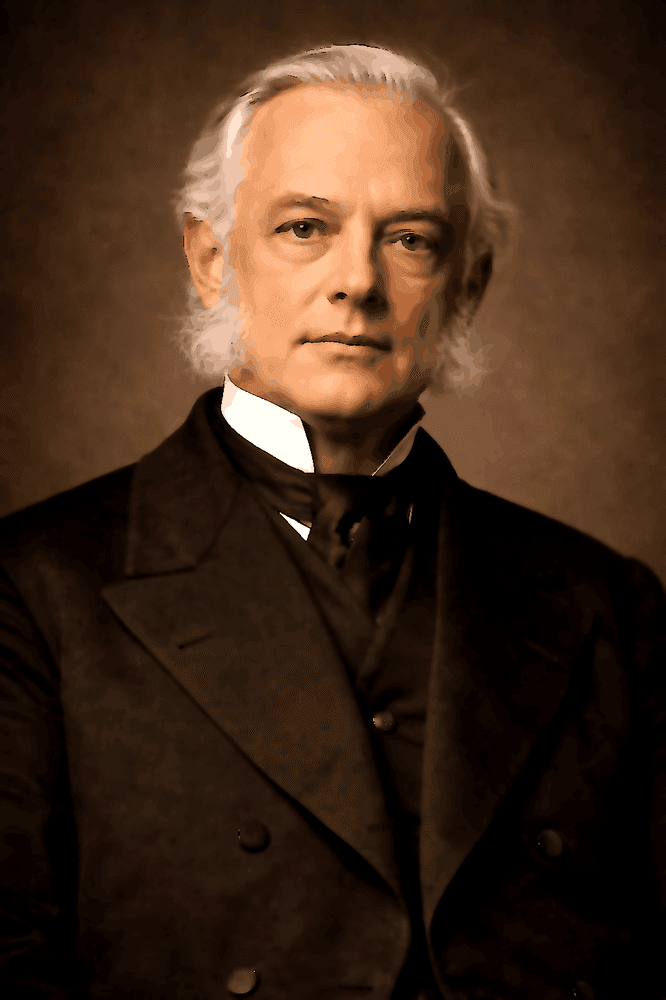
Max Müller
Philology
Max Müller (1823–1900) was a German-born British philologist and orientalist, and a foundational figure in the comparative study of religion and mythology. A professor at Oxford, he played a decisive role in introducing Indian texts to Europe, most notably through his editions and translations of the Rig Veda. Müller argued that religions should be studied scientifically, as historical and linguistic phenomena, rather than judged theologically. He maintained that myth and religion arise from the human attempt to express the infinite through language. His work had a lasting influence on religious studies, philology, and intellectual history, helping to establish a comparative, non-dogmatic approach to spiritual traditions.
Thoughts (1)
←Previous
→Next
ESCBack