Back to authors

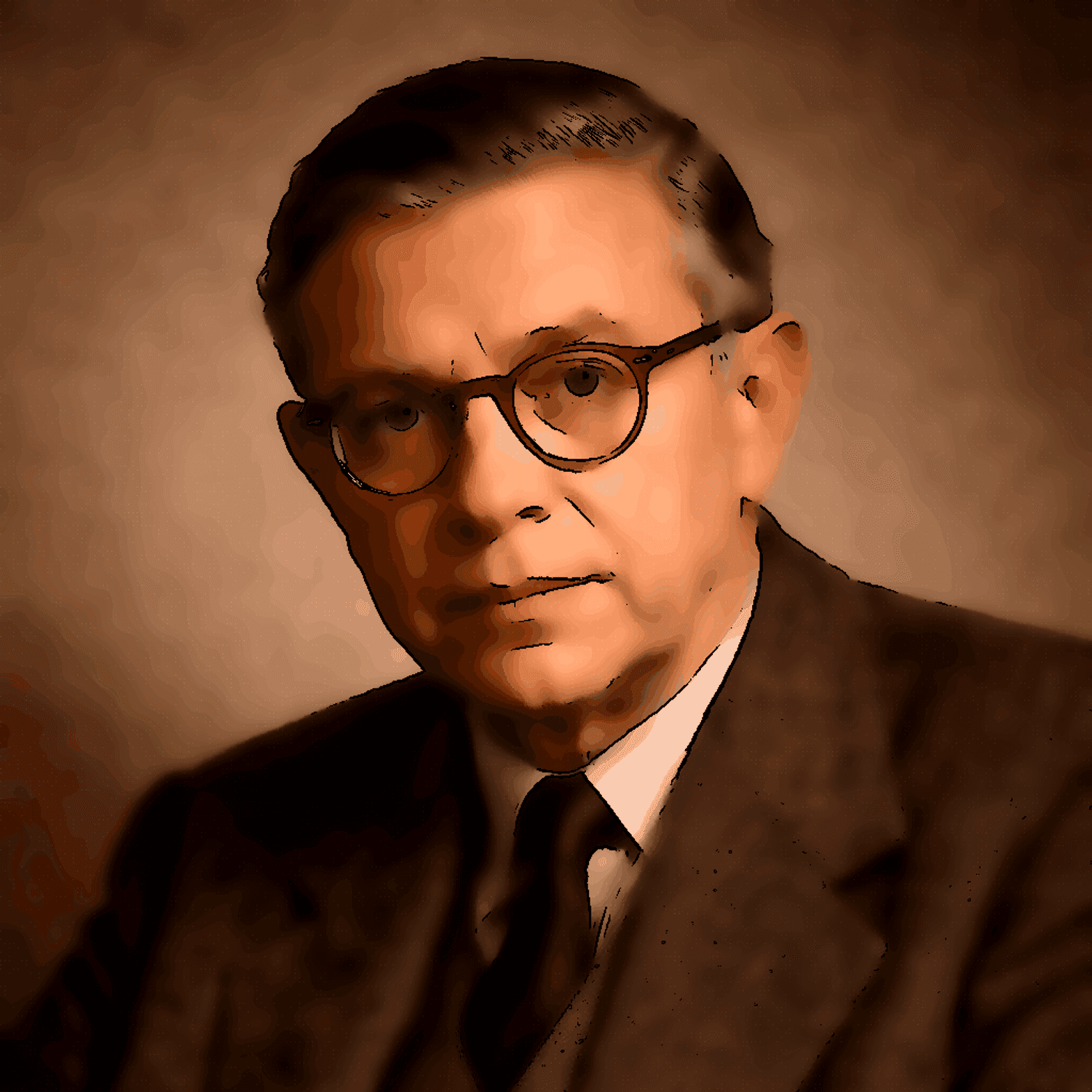
Jean-Paul Sartre
Jean-Paul Sartre was a French philosopher, playwright, novelist, and political activist, widely recognized as one of the leading figures in 20th-century existentialism. Born in Paris in 1905, Sartre studied at the École Normale Supérieure, where he developed a strong foundation in philosophy and literature.
Sartre’s existentialist philosophy emphasizes individual freedom, responsibility, and the creation of meaning in an indifferent or absurd universe. His seminal work, Being and Nothingness (1943), explores concepts such as consciousness, freedom, bad faith, and human existence.
In addition to philosophy, Sartre wrote plays, novels, and essays, often blending literary creativity with philosophical inquiry. Works like Nausea (1938) and No Exit (1944) illustrate existential themes through narrative and drama.
Politically engaged, Sartre was an outspoken critic of colonialism and social injustice, advocating for human freedom and ethical responsibility. He declined the 1964 Nobel Prize in Literature, believing that a writer should not be institutionalized.
Sartre’s influence extends beyond philosophy, shaping literature, psychology, political thought, and cultural theory. His partnership with fellow philosopher and activist Simone de Beauvoir also had a profound impact on feminist philosophy and existential ethics.
←Previous
→Next
ESCBack