mmmarcus
Articles & programsMeditationsQuotationsConceptsAuthorsBooks (public domain)TimelineMapQuizzesKey learningsBooks (for reference)About
Changer le thème
FrançaisEnglish

hello@mmmarcus.com|@mmmarcus|2026

Back to authors
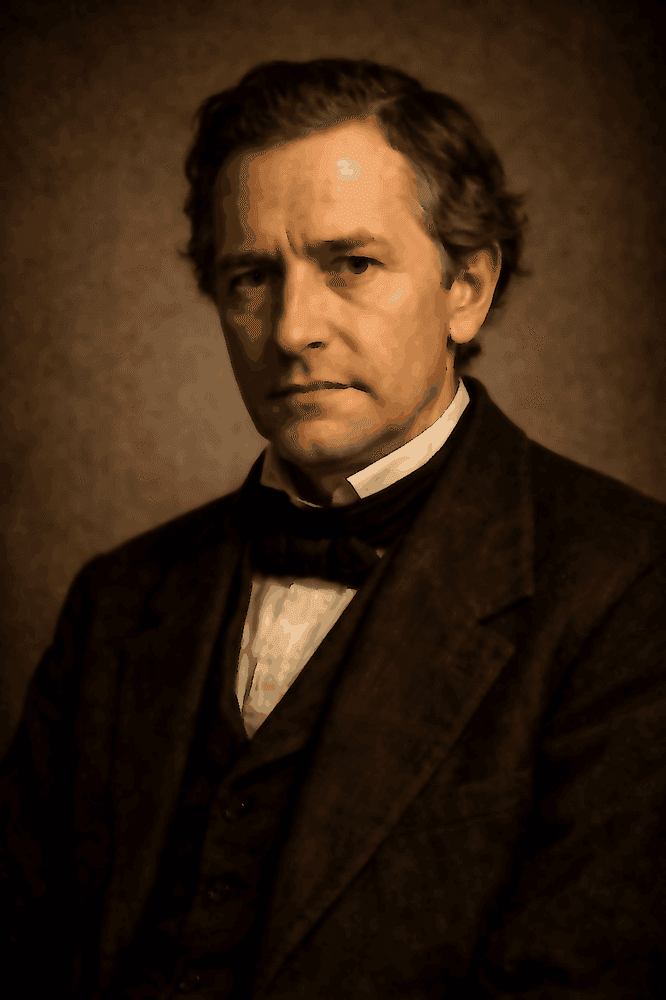
Albert Schwegler

Albert Schwegler

Philosophy
Albert Schwegler (1819–1857) was a nineteenth-century German philosopher and theologian, best known for his work in the history of ancient philosophy and for his place within the Hegelian tradition. Shaped by the intellectual environment of Tübingen, he adopted a critical and historicist approach, viewing philosophical systems as stages in the rational development of thought. His most influential work, a History of Philosophy, became a widely used reference text, especially for Greek philosophy, offering a synthetic and systematic account strongly informed by Hegelian dialectics. Schwegler is notable for his pedagogical clarity and for his effort to present philosophy as an ordered progression of ideas rather than a collection of isolated doctrines. Despite a short career, his work left a lasting mark on nineteenth-century philosophical education and historiography.

Thoughts (1)

←Previous
|
→Next
|
ESCBack
Fire as eternal transformation

Fire as eternal transformation

When... Heraclitus names the world an ever-living fire that... extinguishes itself and again kindles itself, when... all is exchanged for fire and fire for all... he can only understand by this that fire, this restless, all-consuming, all-transmuting, and equally (in heat) all-vivifying element, represents the constant force of this eternal alteration and transformation, the notion of life, in the most vivid and energetic manner. ...the means of which the power of motion that is precedent to all matter avails itself for the production of the living process of things. Heraclitus... explains the multiplicity of things... [fire] condenses itself into material elements, first air, then water, then earth. ...These two processes of extinction and ignition... alternate... in perpetual rotation with each other and... in stated periods the world resolves itself into the primal fire, in order to re-create itself out of it again. ...[F]ire is to him... the principle of movement, of physical as of spiritual vitality; the soul itself is a fiery vapour; its power and perfection depend on its being pure from all grosser and duller elements.

Albert Schwegler

Handbook of the History of Philosophy (1868)