Back to articles
74 / 80
2 min.
Stoicism: foundations
Love of destiny: Amor fati
Consent to what happens to you, to love fate, even in its most repulsive manifestations.
Consent to what happens to you, to love fate, even in its most repulsive manifestations.
Amor fati.
Surely you have heard these two words before {{username}}.
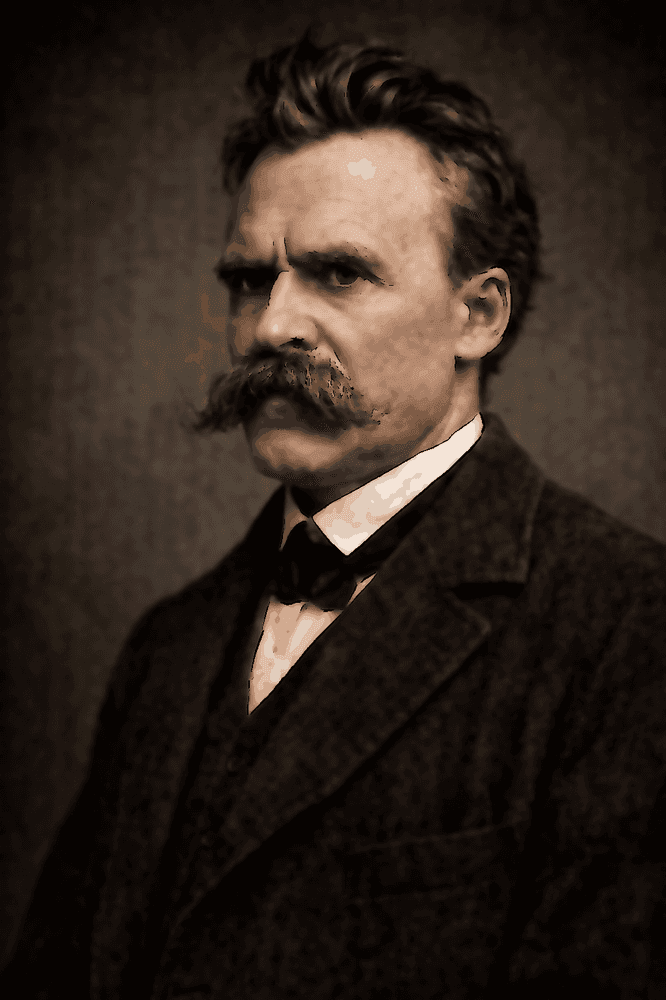
They do not come from ancient Greece, for they are two Latin words formulated by Nietzsche, and they are sometimes mistakenly attributed to the Stoics, although, if you will permit me an academic digression {{username}}, assent to fate is aimed at alignment with a higher regulating entity (Nature, the Cosmos, the Whole), whereas Nietzsche's assent to fate is a "yes" to the irrational, chaotic, cruel character of the world and its Eternal Return. It's the breeding ground for man's Will to Power. 1
No matter what reason drives you to accept this fate - that of the Stoics (a superior, transcendental plan) or that of Nietzsche (the world is chaos) - the solution for man, for you, is the same: to consent to what happens to you, to love fate, even in its most repulsive manifestations.
You love fate because you accept the will of the Whole.
You love fate because you understand that everything "bad" that happens to you is in reality a misjudgment on your part that lies outside of you and is therefore indifferent.
Marcus Aurelius expressed it in these words:
“Everywhere and continually, it is in your power to be reverently content with your present circumstance.” 2
Amor fati is a powerful expression, almost divine in character thanks to its simplicity, phonetics and timelessness.
Remember it when difficult events come your way.
However,
you need to regulate your perception of Amor Fati.
Make sure that your approval of fate doesn't become a form of positive toxicity that forces you to see everything in a happy light. As we discussed in a previous text, there are also negative emotions. When you suppress them without understanding them, it's like a geyser under pressure: beneath a seemingly calm appearance, something is brewing. Beneath the surface, the pressure rises gradually and imperceptibly until the geyser finally breaks through the earth, unleashing its full force.
In the next article, we'll look at the third and final part of the program. It's a kind of gentle conclusion, where I move away from the theoretical aspects of Stoic practice and come back to the transformation that takes place to make you a little more of a Stoic practitioner every day.