Back to articles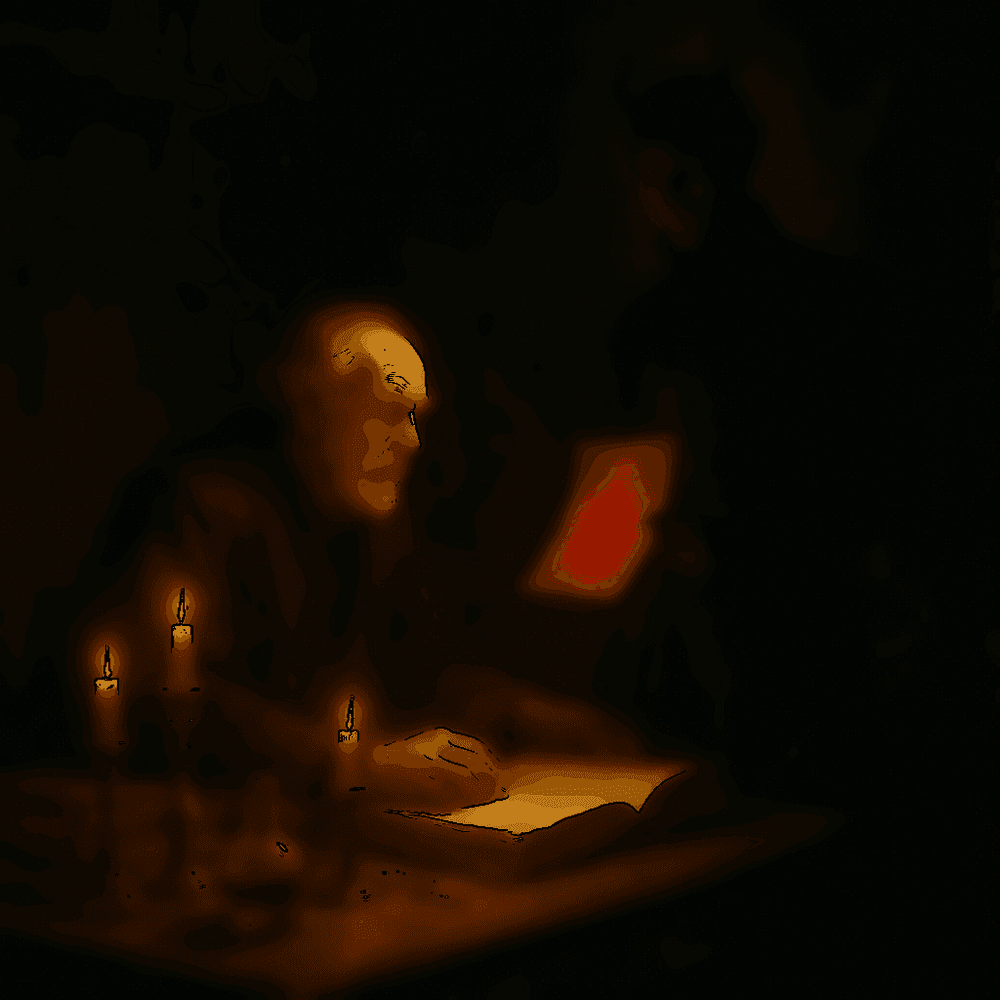
12 / 25
11
5 min.
Tales and Stoicism
Faust’s Pact with the Devil
Loosing oneself in the pursuit of more
Loosing oneself in the pursuit of more
Once upon a time, in a world that seemed to have everything yet never enough, there was a man named Faust. Dr. Faust, if you please—a scholar, a doctor, a learned man whose nose had been buried in books so long he’d probably forgotten what sunlight felt like. But Faust wasn’t like other men of letters. No, he wasn’t content with a quiet life, imparting wisdom and curing ills. Faust wanted more. And that, as you’ll see, was where it all started to go wrong.
Faust was no spring chicken. He lived sometime between the 15th and 16th centuries, a historical figure whose insatiable quest for knowledge inspired a tale that has echoed through the ages.
Faust had read, studied, and lectured for years, amassing a wealth of knowledge. Yet lately, he was restless.
The thought nagged at him that he hadn’t truly lived. He hadn’t tasted every pleasure, felt every thrill, or unlocked every mystery of the universe. Maybe the world was full of secrets still unspoken, adventures still untaken, whispers of hidden beauty and danger he’d never dared to seek. Life itself seemed to sit just beyond the edges of his understanding, tantalizing and untouchable.
Despite his wisdom and years of scholarly success, Faust grew increasingly unsatisfied. Surrounded by books and dusty lecture halls, he felt trapped in a cage of knowledge that offered no real joy, no thrill. This dissatisfaction turned into despair, a hollow darkness he couldn’t escape. In a moment of desperation, teetering on the edge, he called upon the forces of darkness for something—anything—that could break his world open, that could reveal the pleasures and mysteries he’d only dreamed of.
So, when the peculiar Mephistopheles appeared—the Devil’s representative, with a devilish grin and a tempting offer—Faust listened.
Mephistopheles—a gentleman with a penchant for red capes and dark humor—wasn’t just any stranger; he was, shall we say, from the “other side” of town. You know the type: sulfur-scented, always showing up when someone’s on the brink of a questionable life decision. And Mephistopheles had an offer. “Sign here,” he purred, holding out a contract. “You’ll get everything you ever wanted: knowledge, pleasure, power. In exchange… well, let’s just say I get your soul on the back end.”
Now, any sensible person might pause, consider, maybe even laugh nervously and back away slowly. But Faust? Oh no, Faust was already dreaming of the secrets he’d unlock, the thrills he’d chase, and the world he’d conquer. Moderation, after all, was for lesser men.
With a flourish, Faust signed on the dotted line. And, true to his word, Mephistopheles opened up a world of delights. Faust feasted, he reveled, he held the mysteries of life in the palm of his hand. But—if you’ll allow a spoiler—paradise comes with a catch, especially when your tour guide is the Devil.
At first, it was marvelous. Faust felt invincible, unstoppable, and, most dangerously, untouchable. But as the days turned to weeks, then months, Faust found the thrill wore thin. The pleasures he had so fervently chased began to feel like hollow indulgences. And the knowledge he had so desperately sought? It left him more bewildered than enlightened.
The once-craved excesses began to gnaw at him, a bit like how a rich dessert feels in your stomach after you’ve gone for seconds, then thirds. Faust was realizing, far too late, that some things are best savored in small doses. What was once delightful had become oppressive. The constant pursuit of more had left him feeling empty, lost, like a man adrift without an anchor.
Finally, in a moment of weary clarity, he turned to Mephistopheles. “You promised me satisfaction,” he muttered. “But all I feel is… exhausted.”
Mephistopheles chuckled, a sound as dry as old bones. “Did I promise satisfaction, Faust? Or did I offer you everything? You wanted it all, and that’s precisely what you got.” He shrugged, his eyes gleaming with something suspiciously like pity. “You mortals never learn. Satisfaction isn’t found in having everything, but in wanting little.”
Faust looked around him as the walls of his grand illusions began to crumble. The pleasures he had chased so feverishly faded to dust, the knowledge he’d gained turning bitter and hollow. He tried to grasp at fragments of joy, but they slipped through his fingers like sand. Mephistopheles watched silently as Faust’s world dissolved, a faint smile tugging at his lips.
The last thing Faust heard was Mephistopheles’ voice, soft but cutting. “Enjoy your eternity, Doctor. You have all the time in the world now. But I wonder... will you ever be content?”
And with that, Faust was left in a vast emptiness, surrounded by everything he had ever wanted, and nothing he truly needed. His punishment was simple, yet endless: the knowledge that he had traded his soul for a hunger that would never be satisfied.
The contract, as you might guess, was ironclad, and Faust’s fate was sealed. He was whisked away, just another cautionary tale for the ages. But perhaps, if he’d had the chance, he would have left a bit of advice to those of us still wrestling with our own desires :
"Seek knowledge, but know when to rest in what you know. Chase your dreams, but don’t let them become chains. true fulfillment isn’t in having it all but in valuing what you have and savoring the simple moments life grants you. Beware the endless chase for ‘more’—for in that race, you may lose yourself, and the satisfaction you sought may be further than ever."