Back to articles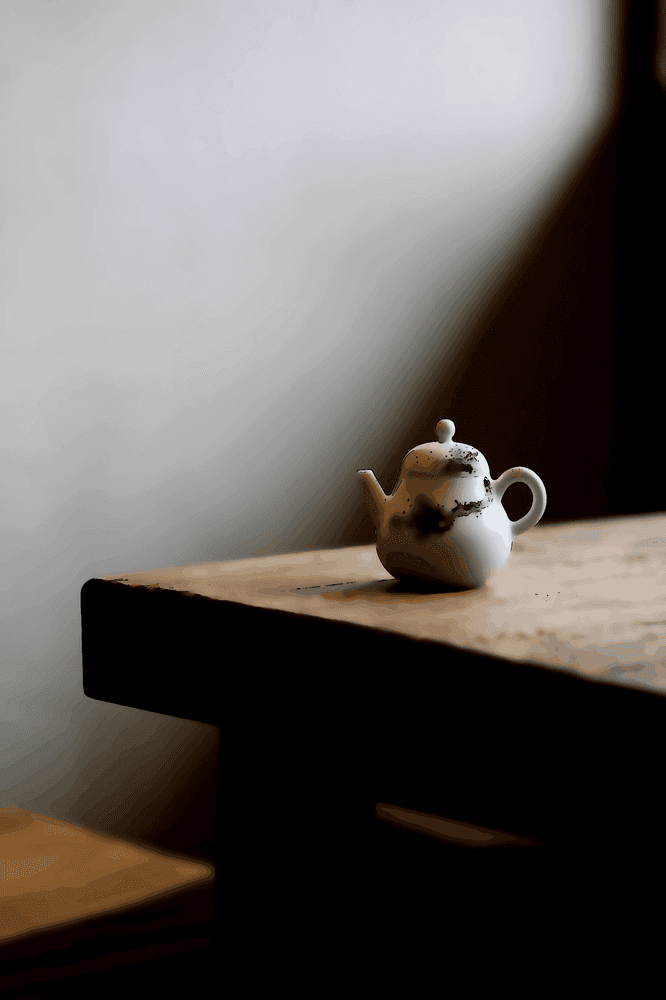
45 / 80
3 min.
Stoicism: foundations
Apply philosophy to small things
Because these little things aren't so little.
Because these little things aren't so little.
“With
everything which entertains you, is useful, or of which you are fond, remember
to say to yourself, beginning with the very least things, ‘What is its nature?’
If you are fond of a jug, say, ‘I am fond of a jug’;
for when it is broken you will not be disturbed […] ” 1
~
“Begin,
therefore, with the little things.
Your paltry oil gets spilled, your miserable wine stolen; say to yourself, ‘This
is the price paid for a calm spirit, this the price for peace of mind.’ Nothing
is got without a price. ” 2
~
What do we
expect when we practice philosophy?
Do we expect philosophy to begin with solemn speeches about death or the
meaning of the universe? With words we carve in stone, only to forget as soon
as they’re carved? Too often, we go astray.
We think that to philosophize is to speak about life’s big questions. Justice,
death, God, or fate. And of course, these are philosophical topics. But they’re
not the only ones.
You can spend your whole life thinking about death and never experience it even once, but you can’t get through a single day without running into frustration, loss, or disappointment.
That’s why I love these two passages from Epictetus’ Handbook. Because they speak to what philosophy really touches: our messy mornings, when you stumble out of bed, eyes still half-shut, and your son sulks over his toast because the bread is too hard, or too soft, or just not like yesterday’s; and then our evenings, when the world has wrung you out and you collapse into bed, hoping that tomorrow, maybe, things will feel a little easier.
That’s
everyday life.
And here, Epictetus speaks to us of a philosophy we can apply to everyday
things. It starts with a broken vase. With an oil stain on the floor. With that
small surge of irritation when someone interrupts you, when you miss your
train, when the bottle of wine you were promised is handed to someone else.
That’s
where Stoic practice begins.
That’s where you get to forge yourself.
Because these “small things,” as Epictetus calls them, aren’t so small after all. They’re opportunities. Every minor frustration is a training ground. A dress rehearsal for life’s bigger trials. And if you can’t learn to stay calm when someone spills a bit of oil, how will you stand your ground when life takes from you what you love most?
That’s why
the Stoics tell us to start there, down low, with what’s right in front of us. It’s
not a lack of ambition.
It’s a method.
So why not
begin there?
With those moments when life tests you without warning, those ordinary little
things: the look you were hoping for that never comes, the message left
unanswered… All of them—quiet, almost invisible, can pile up if you’re not
paying attention, if you meet them with the wrong mindset. And without
realizing it, you find yourself on edge, ready to snap.
This is the philosopher’s battlefield.
Philosophy
doesn’t live only in books, some philosophers, the Cynics among them, even
believed it lived everywhere except in books. It lives in the kitchen,
on the subway, in awkward silences.
It lives where you live.
Start with the small things, as Epictetus says.
They are anything but small.